

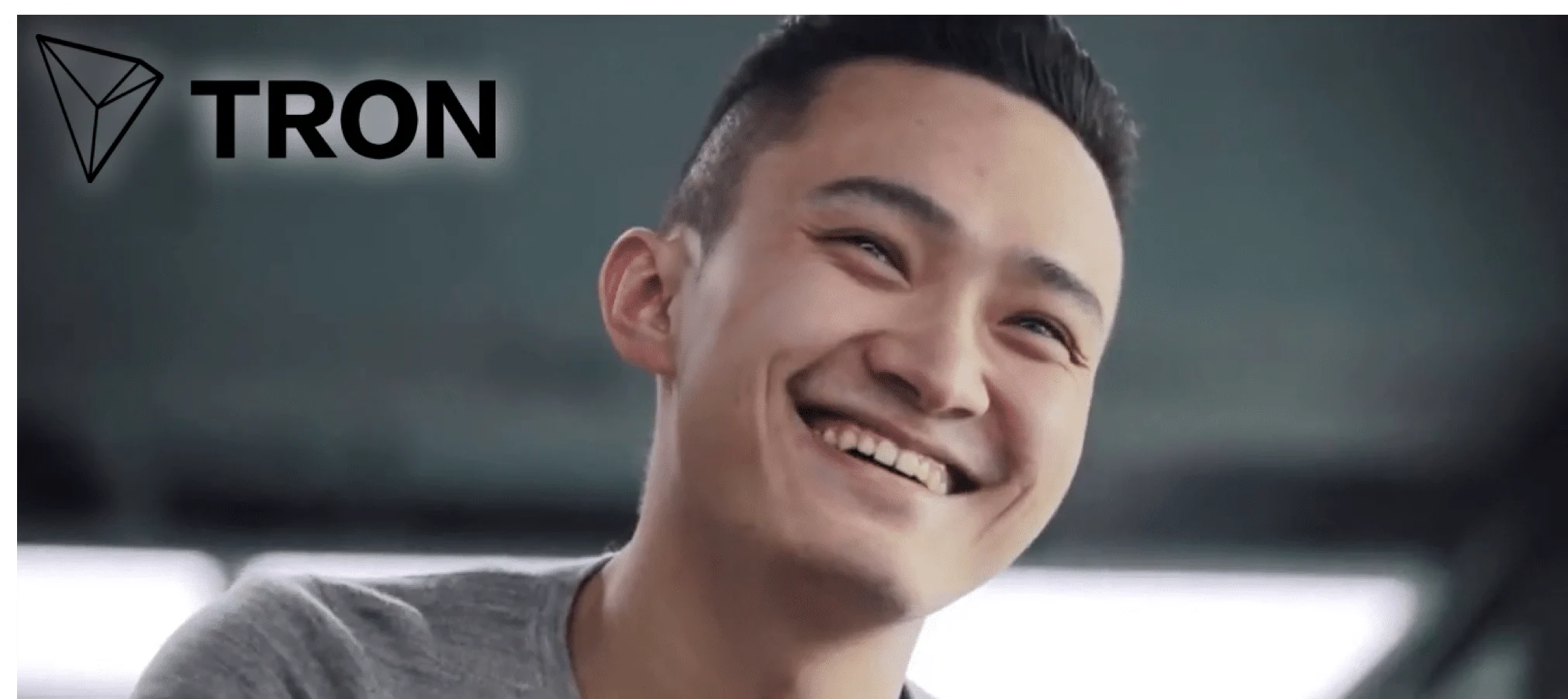
Key Takeaways
- Tron founder Justin Sun alleges World Liberty Financial blacklisted his wallet and froze his WLFI token holdings.
- Despite holding approximately 4% of voting power, Sun claims he’s been excluded from governance participation.
- World Liberty Financial unveiled a governance proposal affecting 62.28 billion locked tokens.
- The proposal features a 10% token burn totaling up to 4.52 billion WLFI from insider allocations.
- Token holders refusing the new vesting terms will face indefinite lock periods, according to WLFI.
The Tron blockchain founder Justin Sun, recognized as the most prominent public investor in Donald Trump’s cryptocurrency project World Liberty Financial, has leveled serious accusations against the platform. Sun alleges the organization froze his token holdings and implemented an undisclosed blacklisting mechanism within the WLFI smart contract. Through a series of statements on X, Sun characterized the situation as involving a “backdoor blacklisting function” embedded in the contract code, enabling the project to freeze, limit, or exclude token holders without prior warning. According to Reuters, independent verification of such functionality or its alleged deployment remains unconfirmed.
[[EMBED_0]]
Describing himself as the “first and single largest victim” of this alleged control system, Sun stated his token holdings were immobilized in September. In subsequent messages, he asserted that blockchain data revealed his wallet address had been blacklisted by a single account possessing elevated administrative permissions. Those blockchain records, however, were not made public by Sun. He further contends that despite commanding roughly 4% of WLFI’s governance voting strength, he’s been systematically shut out of the ongoing decision-making process due to the frozen status of his tokens.
The response from World Liberty Financial came via its official X profile, stating,
“We have the contracts. We have the evidence. We have the truth. See you in court pal.”
When approached by media outlets, a company representative directed inquiries to these public statements. Sun has not offered further commentary beyond his social media declarations.
Fresh Governance Proposal Intensifies Tensions
This controversy emerged simultaneously with World Liberty Financial unveiling a governance proposal that encompasses approximately 62.28 billion WLFI tokens. The proposal outlines that 45.24 billion locked tokens allocated to founders, team personnel, advisors, institutional investors, and strategic partners would transition to a two-year cliff period followed by three-year linear vesting—contingent upon holder acceptance.
This cohort would simultaneously agree to a 10% reduction in their allocation, permanently eliminating up to 4.52 billion WLFI from circulation. An additional 17.04 billion tokens designated for early supporters would shift to a two-year cliff with two-year vesting, without any burn requirement.
[[EMBED_1]]
According to World Liberty Financial, any holders declining to explicitly accept these revised conditions will remain locked under current terms with no defined unlock timeline. The organization positioned this proposal as a governance alignment initiative, emphasizing that the affected tokens would maintain governance participation commitments for a minimum two-year period. In social media communications, the project characterized this proposal as representing one of the most robust long-term governance commitments in the decentralized finance ecosystem.
Sun Condemns Voting Framework as Coercive
Sun delivered sharp criticism of this governance structure, arguing the proposal constitutes coercion since holders who reject it face permanent lockups. He maintained that the voting process lacks legitimacy when certain token holders are prevented from participating while others retain voting privileges.
He additionally asserted that genuine authority over the WLFI smart contract resides with an anonymous 3-of-5 multisignature wallet alongside an undisclosed guardian wallet capable of blacklisting wallet addresses.
Throughout his statements, Sun argued the governance architecture empowers a limited group of unidentified individuals to supersede token holder decisions at the smart contract layer. He also challenged the project’s compliance protocols, noting that standard voters must provide identification while those wielding contract-level control maintain anonymity. His commentary framed the situation as fundamentally concerning property rights, governance accessibility, and centralized administrative authority.
Official Disclosures and Industry Perspective
Risk documentation published by World Liberty Financial indicates the organization reserves authority to block and freeze wallet addresses and their associated tokens when determined to involve illegal activities or violations of platform terms. Comparable control mechanisms exist across various cryptocurrency projects, notably among stablecoin issuers who freeze tokens following law enforcement requests or internal compliance assessments.
Sun emerged as among World Liberty Financial’s most prominent investors in late 2024, subsequently announcing he had expanded his position to at least $75 million worth of WLFI tokens. This past March, the US Securities and Exchange Commission resolved a 2023 enforcement action against Sun through a $10 million settlement. The litigation had alleged fraudulent conduct, distribution of unregistered securities, and undisclosed compensation to celebrities for cryptocurrency promotion. Sun neither admitted nor denied wrongdoing in reaching the settlement.
This developing controversy now subjects World Liberty Financial’s governance framework to heightened examination as the project pursues community approval for its substantial token vesting restructuring and burn initiative.
