

Key Takeaways
- Jensen Huang asserts China possesses sufficient computing resources to develop Claude Mythos-equivalent AI systems
- Underutilized data centers and semiconductor access position China for rapid AI scaling
- Advanced AI capabilities present escalating cybersecurity challenges worldwide
- China’s technical workforce and energy infrastructure strengthen AI development potential
- Nvidia CEO advocates for international collaboration to address AI safety concerns
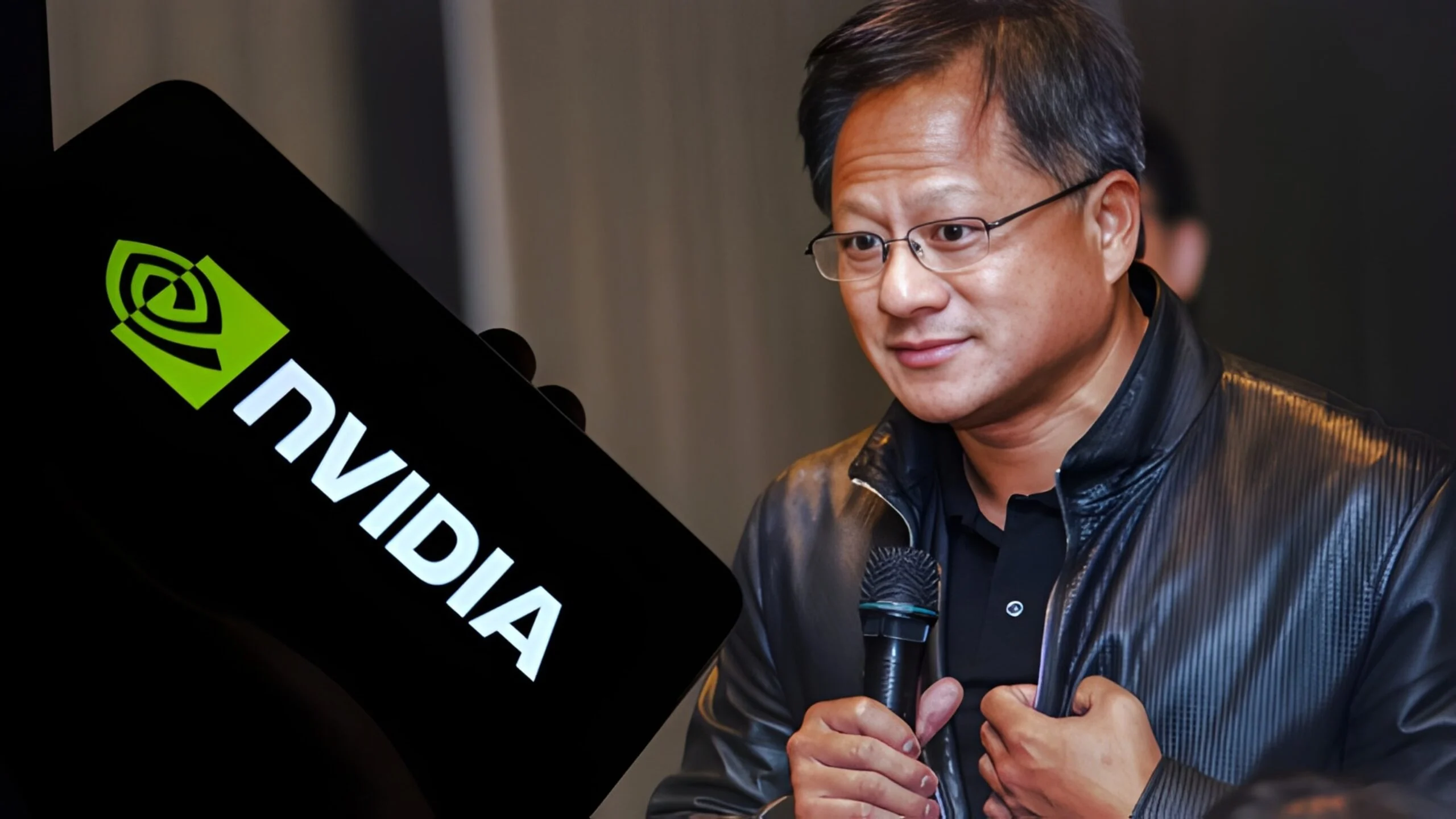
The competitive landscape of artificial intelligence took a dramatic turn when Nvidia’s Jensen Huang declared that China maintains sufficient technological infrastructure to replicate Claude Mythos-level capabilities. The CEO emphasized that current computing resources and energy supplies could facilitate large-scale AI model development. His remarks underscored mounting concerns about cybersecurity vulnerabilities as sophisticated AI technologies proliferate across competing nations.
Existing Infrastructure Supports Advanced AI Development
Huang revealed that China’s current computing landscape includes substantial infrastructure suitable for training cutting-edge AI models. The CEO observed that numerous data facilities throughout the nation operate below maximum capacity despite being fully equipped. Consequently, Huang suggested that rapid expansion of AI initiatives could materialize through strategic chip deployment.
The Nvidia chief emphasized China’s dominant position in producing mainstream semiconductor technologies integral to AI operations. He referenced the country’s robust talent ecosystem, which includes a substantial proportion of the world’s AI research community. Huang determined that this combination of technical infrastructure and human capital creates favorable conditions for accelerated AI innovation.
According to Huang, abundant energy resources further enhance China’s capacity to manage computationally demanding AI workloads effectively. He noted that aggregating multiple moderate-performance chips can achieve results comparable to advanced processors. This approach, Huang maintained, demonstrates that hardware constraints may not significantly impede China’s AI advancement trajectory.
Growing Cybersecurity Threats From Sophisticated AI
Huang connected these technological developments to increasing cybersecurity vulnerabilities associated with powerful AI systems like Claude Mythos. He explained that such models possess capabilities to discover software weaknesses and potentially orchestrate sophisticated attack methodologies. The CEO cautioned that comparable technologies emerging from different regions could present substantial digital security challenges.
Huang cited recent evidence showing advanced AI models can pinpoint unpatched security flaws in commonly deployed software platforms. He recognized that these capabilities might compress timelines for executing coordinated cyber campaigns. This evolution, Huang observed, could heighten vulnerability levels for critical infrastructure globally.
The technology leader stressed the importance of fostering international cooperation rather than intensifying technological competition. Huang contended that constructive dialogue among leading AI powers could establish boundaries around dangerous applications. He encouraged government officials to emphasize collaborative research alongside competitive innovation initiatives.
Regulatory Challenges Influence AI Advancement
Huang discussed current regulatory friction impacting AI progress and semiconductor commerce between global powers. He referenced trade restrictions designed to constrain advanced processor availability while noting that workaround solutions continue emerging. As such, Huang proposed that regulatory measures alone may prove insufficient to control technological progress.
The CEO acknowledged divergent perspectives among technology executives regarding AI hardware accessibility and market development approaches. He observed that business partnerships persist despite disagreements surrounding international AI governance frameworks. Huang suggested that collaborative and competitive dynamics remain inseparable throughout the industry.
Huang reiterated the necessity of reconciling national security priorities with global coordination efforts in AI development. He underscored that establishing common standards could mitigate dangers associated with powerful AI technologies. Accordingly, Huang framed ongoing dialogue as essential for managing the rapid progression of artificial intelligence capabilities.
