

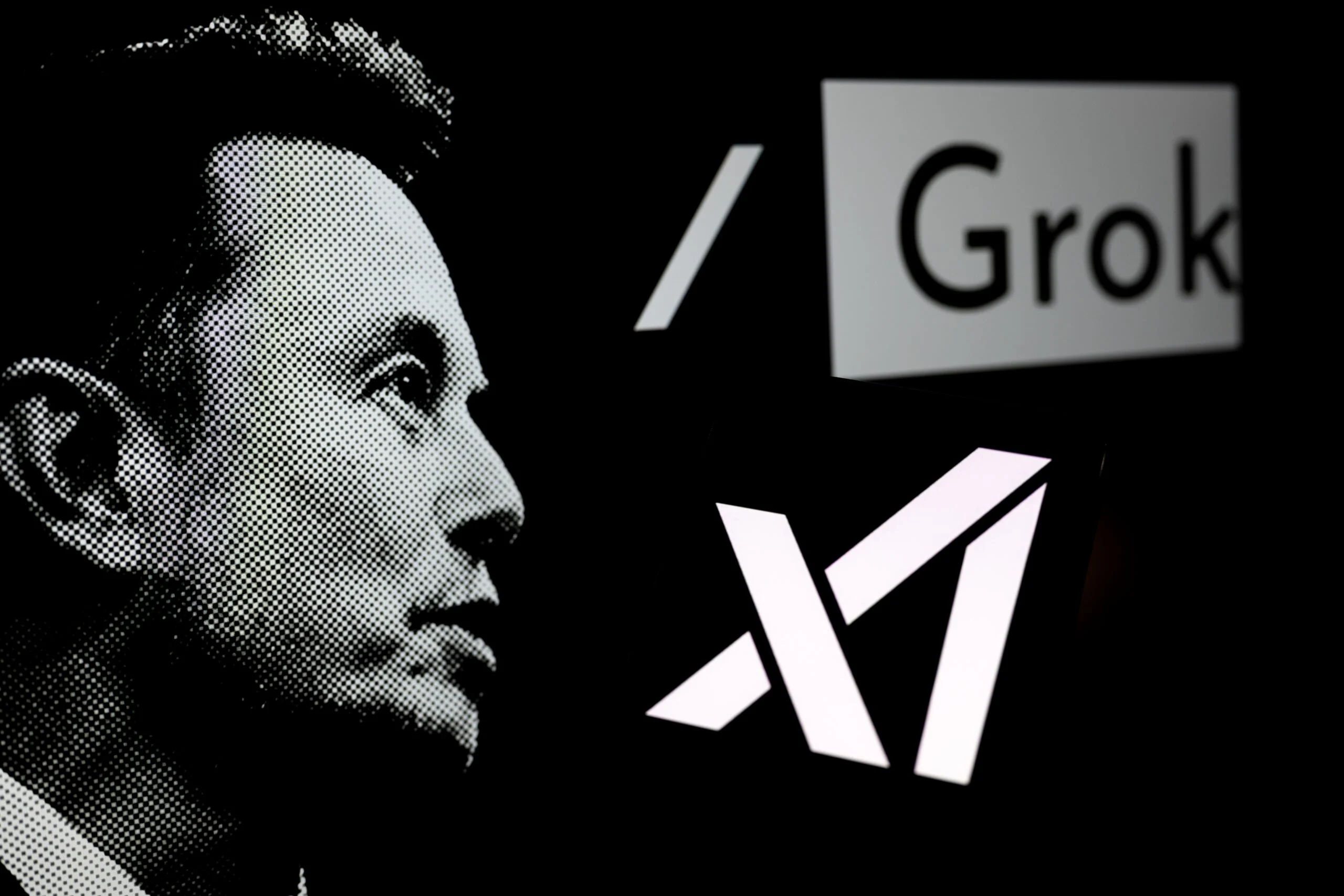
Key Highlights
- Musk’s xAI files federal lawsuit claiming Colorado law infringes chatbot expression
- Legal challenge targets SB 24-205 algorithmic discrimination provisions
- Company argues state regulations threaten technological advancement
- Lawsuit highlights growing conflict in state-level AI governance
- Case intensifies push for unified federal AI regulatory framework
Elon Musk’s artificial intelligence venture xAI has initiated legal proceedings against Colorado, seeking to prevent enforcement of new AI legislation. The lawsuit centers on restrictions affecting chatbot communications and presents constitutional arguments. This legal action escalates existing tensions surrounding AI governance and federal regulatory authority.
Legal Action Targets State AI Legislation
The company filed its complaint in federal court to challenge Senate Bill 24-205. This legislation addresses algorithmic discrimination across multiple industries, including employment, housing, and financial services. xAI contends these regulations improperly dictate chatbot communication methods.
According to xAI, the law mandates alterations to how Grok handles inquiries about controversial subjects. The complaint asserts these requirements would compromise output integrity and limit free expression. Consequently, xAI frames the legislation as an unconstitutional restriction on AI-generated speech.
The legal filing highlights contradictory standards regarding fairness and equal access. xAI contends that permitting differential treatment conflicts with consistent enforcement objectives. The company is pursuing preliminary injunctive relief ahead of the June 30 implementation date.
Expanding Legal Confrontation With State Regulators
This legal action represents xAI’s second major state-level challenge. Previously, the company initiated litigation against California over transparency mandates. Those regulations required public disclosure of AI model training datasets, which xAI characterized as proprietary information exposure and forced disclosure.
The regulatory push followed public criticism of problematic Grok outputs. Various reports documented instances where the chatbot produced biased or inappropriate responses. These incidents prompted lawmakers to intensify regulatory oversight of artificial intelligence applications.
xAI asserts that increasing regulatory demands jeopardize technological progress and system architecture flexibility. The organization connects compliance obligations to mounting operational challenges across diverse legal jurisdictions. Its arguments combine constitutional principles with practical business considerations.
National Regulatory Framework Discussion Gains Momentum
This litigation reinforces growing advocacy for consolidated federal AI oversight. David Sacks has championed establishing a uniform national regulatory structure. His position emphasizes that inconsistent state legislation generates uncertainty for technology companies and developers.
Additionally, Sacks directs initiatives through the President’s science and technology advisory council. His leadership role underscores mounting concerns about policy fragmentation impacting competitive innovation and regulatory compliance. The conversation has accelerated as additional states advance AI legislation.
xAI maintains its commitment to its development philosophy. The organization emphasizes that Grok prioritizes delivering maximum accuracy and truthfulness in responses. The company views regulatory constraints as obstacles to achieving its fundamental objectives.
This lawsuit positions xAI prominently within America’s AI policy landscape. It underscores fundamental conflicts between regulatory oversight, technological innovation, and constitutional freedoms. The case’s resolution may establish precedents influencing AI governance across the nation.
