

Key Takeaways
- TSLA shares declined following first-quarter delivery numbers that underperformed Wall Street forecasts, pointing to potential demand headwinds.
- An expanding disparity between vehicle production and actual deliveries has sparked worries about accumulating inventory.
- Geographic performance varied, with positive momentum in China and Europe unable to counterbalance broader weakness indicators.
- Market watchers increasingly emphasize that Tesla’s future valuation hinges on software capabilities and autonomous technology rather than traditional auto sales.
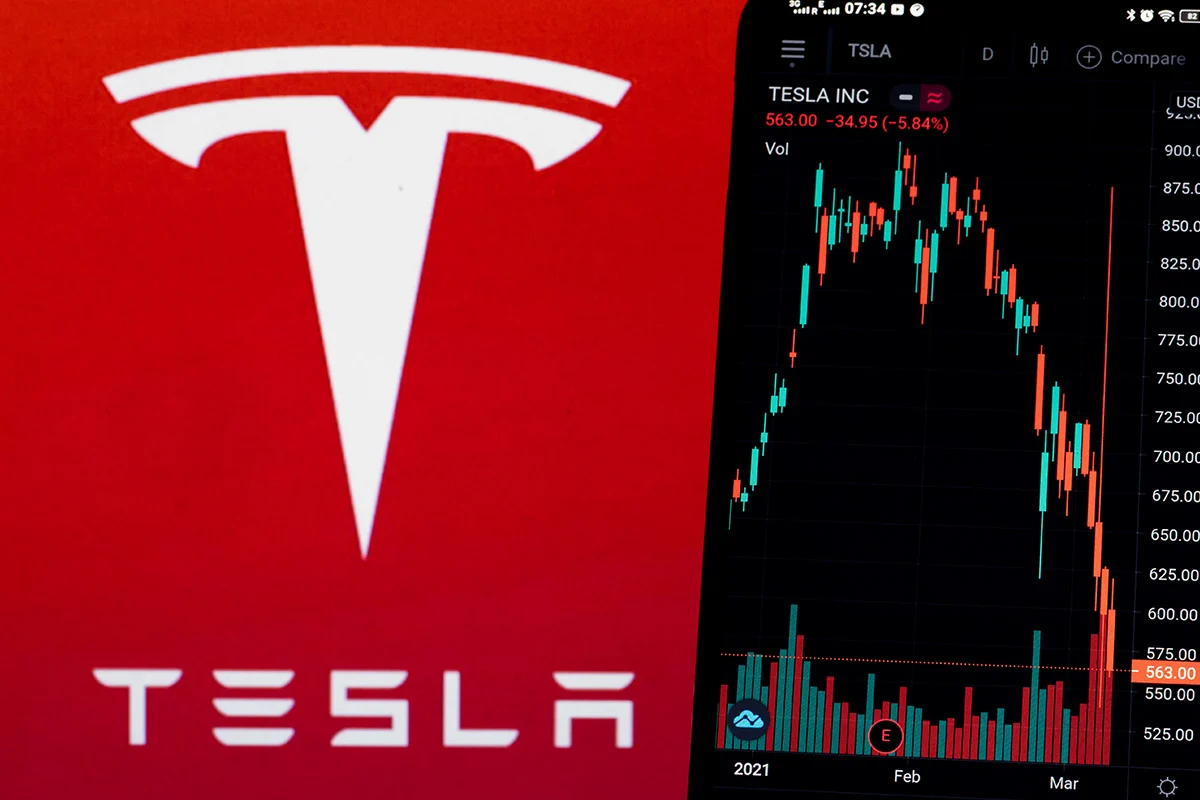
Tesla (TSLA) experienced significant selling pressure Thursday following the electric automaker’s announcement of first-quarter delivery figures that disappointed market observers, sparking renewed questions about demand sustainability in its primary automotive segment. The stock tumbled approximately 5% during early trading hours as market participants digested not only the delivery shortfall but also a concerning divergence between manufacturing output and customer shipments.
Although Tesla maintains its leadership position over conventional car manufacturers in electric vehicle production volumes, recent data points toward a transition into a more volatile growth trajectory, where manufacturing prowess isn’t automatically converting into proportional sales results.
Quarterly Shipments Underperform Projections
The company shipped 358,023 electric vehicles during the three-month period, coming in below the Street consensus estimate of 365,645 units. While this figure demonstrates year-over-year advancement, it represents a meaningful drop from the preceding quarter’s performance, strengthening skepticism that fourth-quarter momentum may have been fleeting.
Market participants responded immediately, concentrating attention on the sequential deterioration rather than the annual comparison. This downturn amplified existing anxieties that electric vehicle demand may be stabilizing following years of extraordinary growth.
Production-Delivery Mismatch Draws Scrutiny
Among the most significant metrics drawing investor attention was the expanding discrepancy between manufacturing output and completed deliveries. Tesla manufactured 408,386 vehicles throughout the quarter, substantially exceeding shipment volumes and creating a backlog of tens of thousands of unsold units.
Tesla misses Q1 2026 delivery estimates with one of its lowest recent quarterly totals: Production outpaced deliveries by more than 50,000 vehicles, and energy storage deployments fell sharply from a record quarter https://t.co/4tfEWLi3UO pic.twitter.com/DxI9E42LuS
— Quartz (@qz) April 2, 2026
This divergence has triggered speculation regarding inventory accumulation, with over 50,000 more vehicles produced than delivered during this timeframe. Market analysts interpret this imbalance as potentially signaling either cooling customer demand or operational friction in aligning production schedules with actual market absorption capacity.
The automaker now confronts heightened examination over whether its manufacturing efficiency has surpassed genuine consumer appetite, a condition that could force pricing adjustments and compress profit margins if it persists.
Geographic Performance Delivers Contrasting Results
Notwithstanding broader apprehensions, Tesla demonstrated resilience in select international territories. Chinese operations experienced increased demand for domestically manufactured Model 3 and Model Y variants throughout the quarter, underscoring sustained consumer interest in one of the planet’s most fiercely contested EV battlegrounds.
European markets similarly exhibited positive indicators, with numerous nations posting robust registration increases versus year-ago levels. Nevertheless, even within these territories, Tesla’s competitive positioning has faced erosion from strengthening local rivals, constraining the overall impact of volume improvements.
The uneven geographic results underscore an evolving global electric vehicle ecosystem where expansion has become geographically fragmented and competitive pressures are mounting across all primary markets.
Strategic Vision Faces Mounting Challenges
Beyond immediate quarterly metrics, market observers are directing increasing focus toward Tesla’s broader strategic evolution. With EV tax benefits diminishing across important jurisdictions and regulatory obstacles affecting advanced driver assistance deployment, the corporation’s conventional automotive expansion thesis confronts fundamental challenges.
Simultaneously, Tesla is placing greater emphasis on forward-looking initiatives including self-driving software platforms and autonomous taxi services. Industry analysts contend these segments are becoming fundamental to the company’s market valuation thesis, particularly as vehicle sales expansion moderates.
Nevertheless, short-term ambiguity remains pronounced. Certain projections now indicate dramatically reduced delivery growth assumptions for 2026, suggesting potential deceleration despite ambitious capital expenditure blueprints.
For equity holders, the critical consideration centers on whether Tesla can execute a seamless pivot from hardware-centric expansion to software-powered growth without enduring sustained deterioration in its foundational automotive operations.
