


Key Takeaways
- The IMF cautioned that blockchain-based tokenization poses transmission risks between crypto markets and traditional financial infrastructure.
- According to the agency, instant settlement mechanisms may decrease counterparty risk while accelerating crisis propagation.
- The financial institution noted that automation could enable immediate margin calls and forced liquidations during volatility.
- The fund highlighted stablecoins as critical connectors between digital asset ecosystems and conventional banking systems.
- The IMF emphasized that stablecoin stability requires robust reserve structures and efficient withdrawal mechanisms.
The International Monetary Fund (IMF) has issued a warning that blockchain-based tokenization presents significant channels for crypto market volatility to infiltrate mainstream financial systems. The institution noted that distributed ledger technology has the potential to fundamentally transform settlement infrastructure and cash management practices. Nevertheless, the organization cautioned that accelerated transaction speeds could overwhelm supervisory mechanisms and emergency response capabilities.
Instant Settlement Could Compress Crisis Response Windows
The IMF said tokenization involves representing traditional assets like currency, securities, and investment vehicles on distributed blockchain networks. This technological approach enables near-instantaneous transaction finality without relying on conventional clearing houses. The fund characterized this mechanism as “atomic settlement,” where asset transfers complete in one indivisible operation. The organization noted that immediate finality could minimize exposure to counterparty default across multiple trading platforms.
Nevertheless, the IMF cautioned that atomic settlement would require market participants to handle cash management on a moment-by-moment basis. The analysis stated, “Stress events are likely to unfold faster, leaving less time for discretionary intervention.” The fund explained that programmed systems could initiate collateral demands and position closures instantaneously. Accordingly, high-speed execution mechanisms may compound downward price movements during turbulent periods.
The IMF connected these dynamics to historical cryptocurrency market disruptions. The organization observed that blockchain-based smart contracts execute predetermined actions the moment threshold conditions are satisfied. As a consequence, financial institutions may encounter drastically shortened windows to formulate responses amid market upheaval. The agency recommended that tokenized asset infrastructures should utilize secure settlement instruments as their foundation.
The analysis underscored the importance of establishing legally binding settlement finality. The fund additionally advocated for governance structures capable of functioning across multiple regulatory territories. The IMF asserted that these protective measures would support overall financial system stability. In their absence, tokenization initiatives could challenge current supervisory frameworks.
Stablecoin Infrastructure Creates New Systemic Linkages
The IMF pinpointed stablecoins as crucial connection points between cryptocurrency platforms and established financial institutions. The organization suggested these digital tokens could function as settlement instruments within tokenized ecosystems. Stablecoins generally maintain value correlation with traditional government-issued currencies like the U.S. dollar. Consequently, their dependability hinges on adequate reserve holdings and functional conversion processes.
The analysis cautioned that stablecoins could experience bank-run dynamics during periods of market turbulence. The fund emphasized that conversion mechanisms must operate reliably to avoid liquidity disruptions. Should market confidence deteriorate, token holders may attempt simultaneous large-scale redemptions. These withdrawal patterns could deplete reserve pools and create stress for connected financial entities.
The IMF further emphasized international dimensions of tokenization technology. The institution observed that tokenized instruments can transfer across national boundaries instantaneously. This capability may complicate efforts by authorities to monitor capital movements as they occur. The agency expressed particular concerns regarding sudden capital outflows and currency displacement in developing economies.
The organization advocated for more precise legal standards governing tokenized financial activities. The fund also pressed for enhanced international cooperation among regulatory bodies. The report contended that inconsistent regulatory approaches could compromise effective supervision.
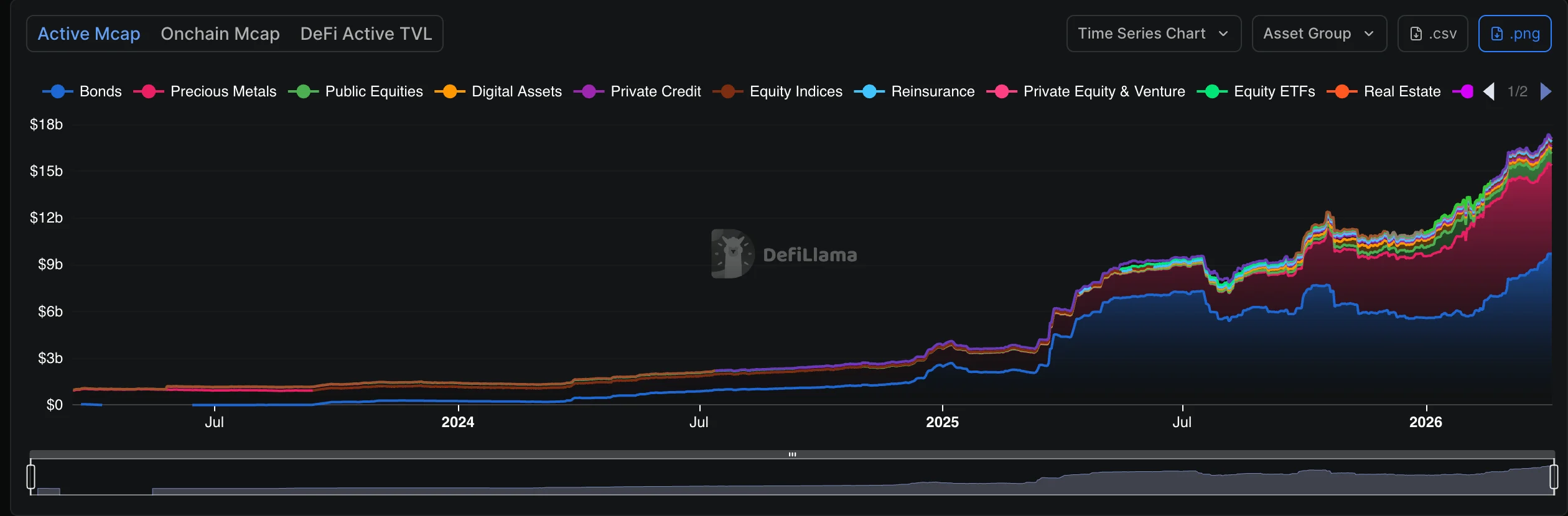
Source: DeFiLlama
Based on DeFiLlama metrics, tokenized real-world assets have surpassed $23.2 billion in value, with this figure excluding stablecoin holdings.
