

Key Highlights
- Britain establishes October 2027 implementation date for expanded digital asset supervision
- Financial watchdog introduces comprehensive framework targeting decentralised platforms
- Regulatory scope extends beyond money laundering controls to include trading and lending
- DeFi protocols with identifiable governance face regulatory requirements
- British authorities align digital asset framework with international standards
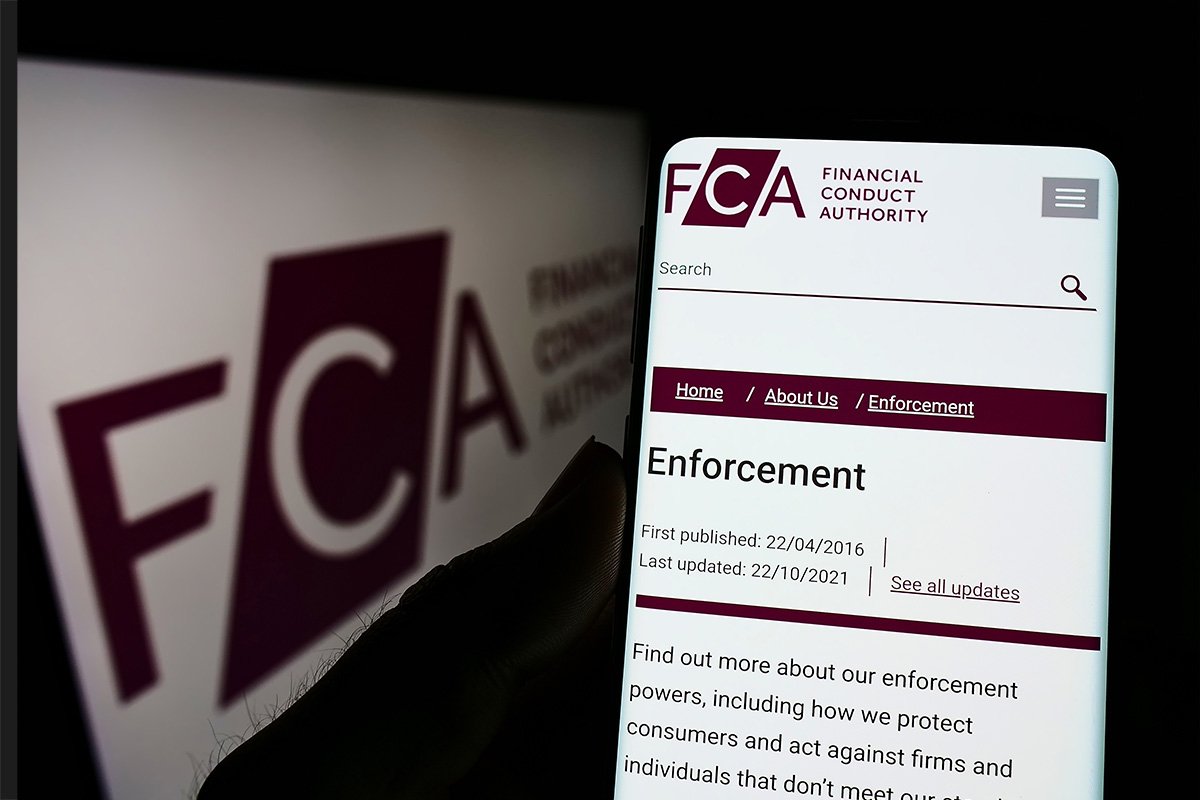
Britain is rapidly advancing its digital asset regulatory transformation as its financial supervisor prepares to implement expanded powers by October 2027. The country’s financial watchdog will oversee significantly broader cryptocurrency operations under new legislative authority. Regulators will establish how decentralised platforms function within an enhanced national compliance structure.
Financial Authority Broadens Supervision Beyond Current Scope
The UK government is establishing an expansive digital asset regime through the Financial Services and Markets Act 2000 framework. Britain’s financial supervisor will assume control over exchange platforms, brokerage services, staking operations, and digital lending. Consequently, regulatory oversight will expand significantly beyond current anti-money laundering registration requirements.
Treasury officials unveiled proposed regulations in December 2025 to establish new controlled digital asset activities. The financial watchdog will enforce stringent boundaries requiring companies to obtain authorisation before accessing British markets. International operators may function without complete approval provided they exclude retail customer engagement.
This framework positions Britain alongside worldwide regulatory evolution in digital asset markets. The financial supervisor will establish uniform standards across both centralised and decentralised operations. Authorities intend to guarantee operational strength and financial crime prevention throughout the industry.
Decentralised Platform Regulations Hinge on Governance Identification
Britain’s framework distinguishes between genuinely decentralised systems and those featuring identifiable operators or governance frameworks. The financial watchdog will determine whether controlling parties exist within individual DeFi protocols. Regulatory requirements will apply when such oversight becomes apparent.
Protocols functioning without identifiable oversight may escape direct regulatory requirements. The financial supervisor will examine governance mechanisms, revenue collection, and operational authority in individual cases. The FCA will restrict exemptions to systems demonstrating rigorous decentralisation standards.
Major DeFi platforms featuring foundations or organised governance frameworks may enter regulatory territory. The financial watchdog will handle these organisations comparably to centralised marketplaces and financial intermediaries. Therefore, prudential and behavioural standards will extend to these operations.
Britain Synchronises Digital Asset Framework With International Developments
Britain’s methodology mirrors wider initiatives to incorporate digital assets into conventional financial supervision. The financial watchdog will harmonise its framework with international progress in digital asset oversight. Regulators will participate in establishing unified worldwide regulatory direction.
Additional jurisdictions are developing comparable frameworks to manage digital asset market risks and advancement. The financial supervisor will preserve compatibility with developing standards while fulfilling domestic market requirements. The FCA will facilitate international uniformity in digital asset regulation.
Britain intends to activate the complete regime by October 2027 following rule finalisation in 2026. The financial watchdog will monitor adherence as companies adapt to the revised regulatory landscape. Ultimately, regulators will determine how digital asset enterprises function within Britain’s financial infrastructure.
