

Key Takeaways:
- Tesla shares decline despite implementation of complimentary charging initiative in conflict zone.
- Complimentary Supercharger access deployed to assist Israeli drivers during Operation Roaring Lion.
- Electric automaker positions charging infrastructure as critical emergency resource.
- Initiative extends across Gulf region, demonstrating broader strategic market approach.
Through its official charging platform, Tesla confirmed the activation of complimentary access across 25 Supercharger locations throughout Israel, effective from midnight March 18. This initiative responds directly to escalating regional hostilities associated with Operation Roaring Lion and ongoing missile incidents.
The complimentary access covers facilities from Kiryat Shmona in northern territories down to Eilat in the south, with each charging station offering up to 250 kW output, providing approximately 100 kilometers of range within minutes, subject to battery conditions.
Typically, Tesla’s pricing structure in the region includes 0.65 shekels per kWh during off-peak periods and 1.33 shekels per kWh during high-demand windows. The temporary elimination of these charges aims to deliver immediate assistance to Tesla owners traveling through affected areas.
Market Response Shows Hesitation
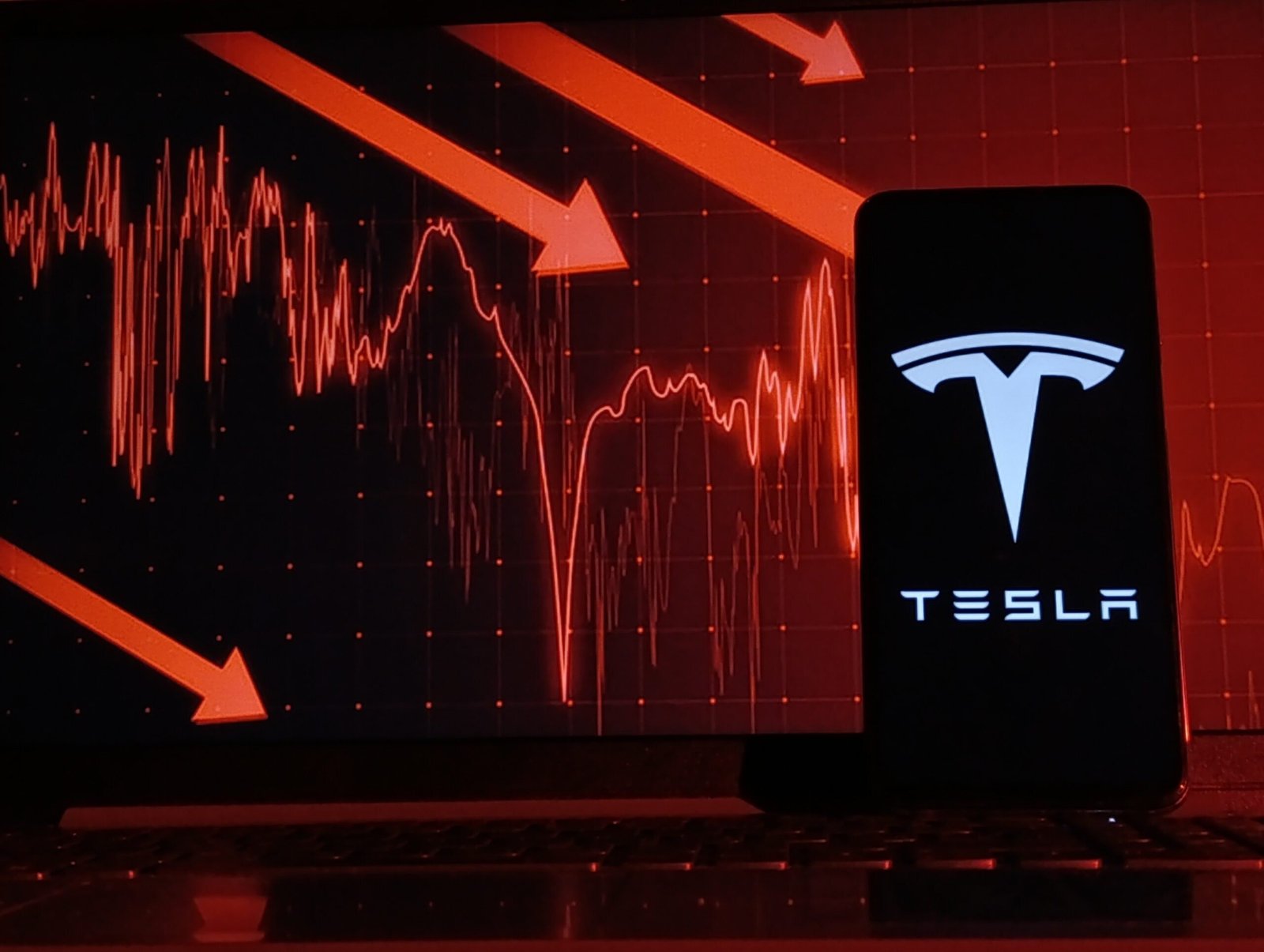
Contrary to expectations, Tesla’s stock value declined in morning trading hours after the announcement became public. Financial experts indicate that although this humanitarian gesture may strengthen brand image and owner dedication, it fails to counterbalance larger investor anxieties regarding geopolitical volatility and potential supply chain complications.
Certain market participants express reservation about possible operational challenges within the territory, despite Tesla’s demonstration of corporate responsibility via its charging network.
Infrastructure Deployment as Crisis Response
Tesla has previously activated its charging network during emergency situations. The company implemented similar complimentary charging services in Israel after the October 2023 attacks, and has established parallel programs following geopolitical disruptions across European and American territories.
Through the temporary fee removal, Tesla transforms its Supercharger infrastructure beyond standard amenities, establishing it as dependable emergency support during critical periods.
NEW 🔴
Tesla has temporarily enabled free Supercharging at all its stations across Israel amid the ongoing war pic.twitter.com/DNo4epXuqx
— Open Source Intel (@Osint613) March 18, 2026
Furthermore, Tesla’s approach fulfills multiple objectives. It cultivates customer devotion by delivering concrete assistance during challenging circumstances, simultaneously functioning as a market-expansion mechanism in Gulf Cooperation Council (GCC) territories, encompassing Saudi Arabia, the UAE, and Qatar.
Electric vehicle penetration in these markets remains modest due to subsidized fossil fuels and intense competition from Chinese producers. Tesla’s complimentary charging program indirectly promotes adoption by highlighting accessibility and security features, establishing brand distinction from competitors dependent on external charging networks.
Broader Strategic Considerations
Tesla‘s complimentary charging deployment carries underlying political and commercial significance. By functioning as infrastructure support during emergencies, Tesla integrates itself into regional systems and community requirements, generating positive sentiment while participating in international geopolitical dynamics—an element analysts have previously identified as potential exposure.
Competitors including BYD, which recently exceeded Tesla in worldwide battery-electric vehicle deliveries, encounter mounting pressure to differentiate through service quality, infrastructure dependability, and consumer confidence, beyond mere pricing strategies or sales volume.
Tesla’s methodology establishes elevated industry benchmarks for how electric vehicle producers address emergency situations, positioning charging infrastructure as fundamental to driver security and network robustness. Though the program operates temporarily, it illustrates the company’s capacity to merge operational execution with strategic positioning, solidifying its standing in established and developing markets.
