

Key Highlights
- Revenue climbs to $30.3B as BAC profit surges 17% in impressive Q1
- Balanced performance across all major business units drives BAC growth
- Pre-market trading shows BAC strength at $53.81 after $53.35 close
- Efficiency ratio improves to 61% through revenue expansion and expense discipline
- Shareholder distributions total $9.3B as Bank of America maintains capital strength
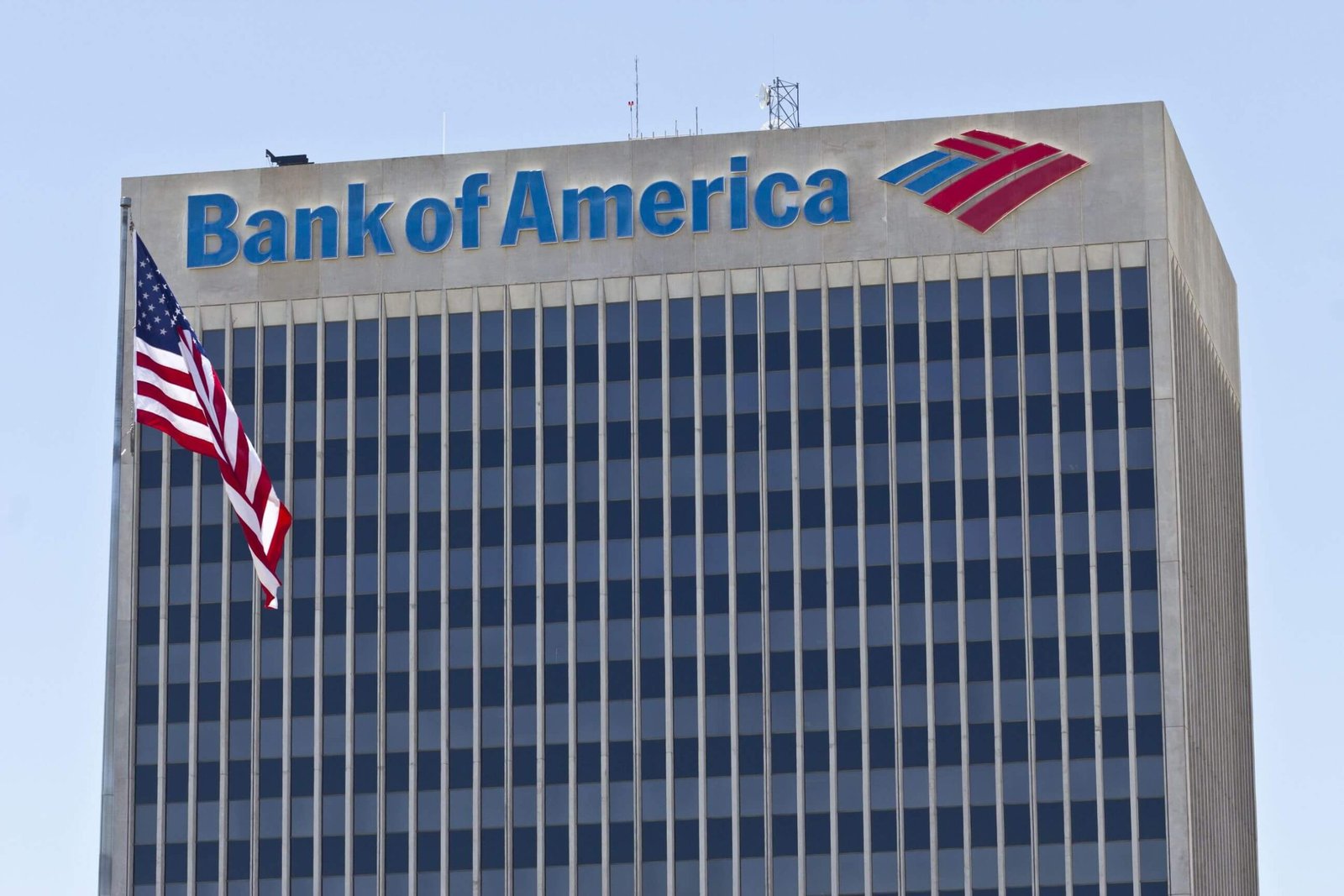
Bank of America (BAC) delivered robust first-quarter performance with rising profits and expanded revenue streams, as the stock demonstrated resilience ahead of early trading gains. After settling at $53.35 in regular hours, shares maintained stability before advancing to $53.81 during pre-market activity. This upward movement captured positive investor reaction to the bank’s comprehensive earnings report showing strength across multiple business lines.
Bank of America Corporation, BAC
Comprehensive Revenue Expansion Drives Quarterly Performance
Bank of America Corporation achieved net income of $8.6 billion during the first quarter of 2026. The figure represented a substantial 17% year-over-year advancement. Total revenue expanded to $30.3 billion, posting a 7% gain driven by enhanced business momentum.
Net interest income advanced to $15.7 billion, benefiting from elevated balance levels and strategic asset repricing initiatives. Noninterest income strengthened simultaneously, fueled by robust trading volumes and heightened investment banking activity. Additional contributions came from asset management fee growth, bolstering the comprehensive revenue picture.
Each principal business division contributed meaningfully to quarterly results. Consumer Banking operations, Global Wealth and Investment Management services, and Global Markets activities all exhibited solid advancement. Both loan portfolios and deposit bases expanded across these segments, demonstrating the institution’s diversified growth trajectory.
Operational Discipline Enhances Profitability Metrics
Management sustained rigorous expense management while top-line figures continued their upward trend. Consequently, the efficiency ratio advanced to approximately 61%. Positive operating leverage of 2.9% emerged as expense growth remained well below revenue expansion rates.
Asset quality indicators held firm amid ongoing macroeconomic volatility. The bank established a credit loss provision of $1.3 billion for the quarter. Net charge-offs registered at $1.4 billion, demonstrating controlled risk exposure levels.
Robust capital positioning underpinned both operational activities and capital allocation strategies. The CET1 ratio under standardized methodology reached 11.2%. Total CET1 capital stood at $199.7 billion, underscoring substantial balance sheet resilience.
Shareholder Value and Strategic Positioning Remain Priorities
The bank distributed $9.3 billion to shareholders throughout the first quarter. These returns encompassed both dividend payments and stock buyback programs, reinforcing shareholder commitment. Tangible book value per share advanced 7% to reach $28.84.
Average deposit balances totaled $2.02 trillion, reflecting consistent funding sources and sustained client engagement. The financial institution maintains relationships with diverse clientele spanning retail consumers, corporate entities, and institutional investors. Operations extend across more than 35 countries worldwide, cementing its global market footprint.
Under Brian Moynihan’s leadership, the organization navigates the intersection of growth objectives, risk management, and capital distribution. Digital banking capabilities continue expanding alongside conventional service channels. Subsequent regulatory filings are expected to provide deeper insight into strategic direction and operational metrics throughout 2026.
