

Key Highlights
- NIO experienced a sharp decline of almost five percent following the ES9 luxury SUV announcement, reflecting investor hesitation.
- The ES9 enters a challenging premium EV landscape marked by declining consumer spending and fierce market rivalry.
- NIO’s Battery-as-a-Service subscription model attempts to lower purchase barriers while reinforcing its battery swap infrastructure.
- Market watchers see the ES9 as a critical indicator of sustained premium consumer appetite in China’s evolving EV sector.
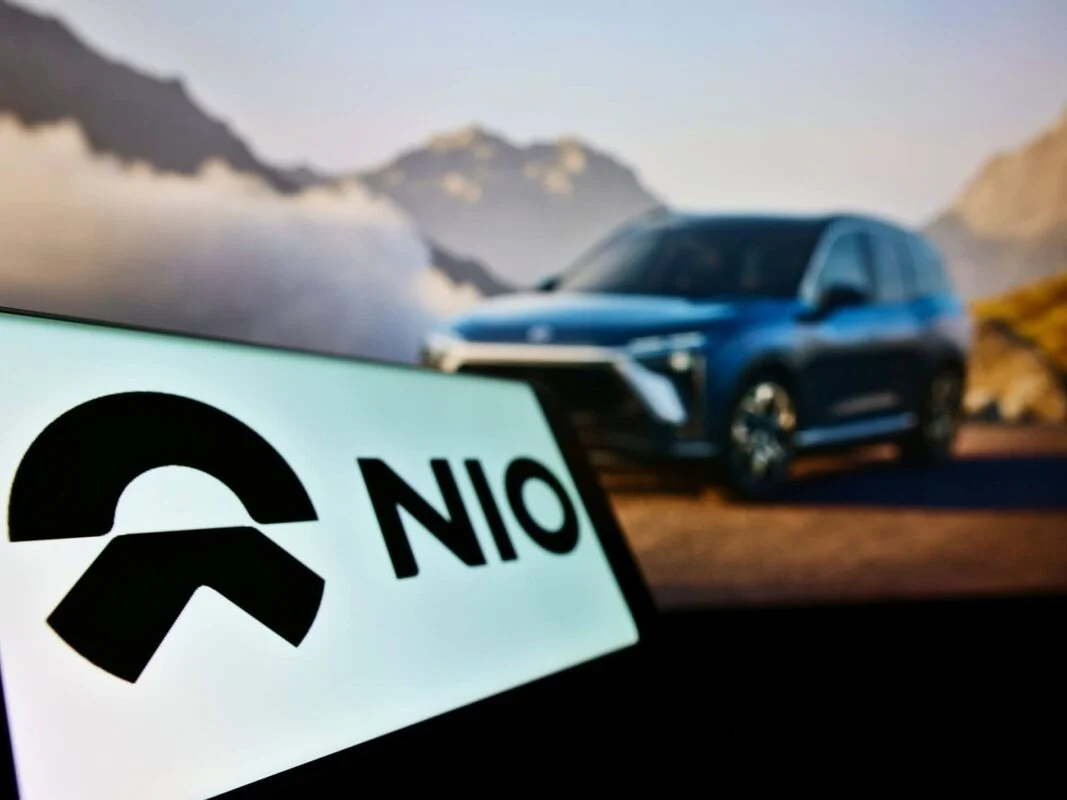
Shares of NIO Inc. (NASDAQ: NIO) experienced notable downward momentum during U.S. market hours, dropping close to 5% as traders processed the company’s announcement of its ES9 flagship SUV. The decline underscores mounting questions about whether China’s high-end electric vehicle market can maintain momentum despite softening industry conditions and aggressive competitive pressures.
The ES9 introduction marks a pivotal moment for NIO’s 2026 product strategy, presenting the automaker’s most spacious and feature-rich SUV offering yet. Yet despite the technological achievements packed into the vehicle, investor reaction suggests concerns about market fundamentals are overshadowing product innovation.
ES9 Targets High-End Market
NIO has commenced pre-sales for the ES9, setting the full-battery purchase price at 528,000 yuan. Through the automaker’s Battery-as-a-Service (BaaS) program, customers can lower initial costs to approximately 420,000 yuan by subscribing to battery services rather than purchasing the battery outright.
This approach serves dual purposes: strengthening NIO’s proprietary battery-swapping network while making premium vehicles more accessible to prospective buyers. The ES9 stands as the brand’s most substantial battery-electric SUV, featuring cutting-edge innovations including steer-by-wire systems, rear-axle steering capability, 900-volt platform architecture, and a proprietary 5-nanometer autonomous driving processor.
Yet the pricing strategy positions the ES9 squarely against well-established luxury electric competitors, raising the stakes for market acceptance in an environment where buyers are becoming increasingly discerning.
Chinese Automotive Sector Faces Headwinds
The timing of the ES9 introduction coincides with mounting challenges across China’s automobile industry. Latest sales figures reveal a significant downturn in overall vehicle purchases, pointing to reduced consumer confidence and continuing the sector’s multi-month contraction pattern.
These conditions create particular difficulties for premium electric vehicle manufacturers, as luxury purchases typically contract more rapidly than mainstream segments during economic uncertainty. NIO’s ES9 confronts established competitors including Li Auto’s L9 and Huawei-supported Aito offerings, all vying for attention from affluent buyers.
Although NIO has posted impressive delivery numbers recently, driven by strong March performance and positive first-quarter results, the wider economic picture continues casting shadows over prospects for sustained premium EV expansion.
Profit Targets Face New Pressure
The ES9 debut coincides with NIO’s pursuit of a crucial financial objective: achieving adjusted operating profitability by year-end 2026. Company leadership has highlighted enhanced cost discipline, optimized product portfolio, and increased production volumes as critical pathways to this target.
Yet launching a technologically sophisticated flagship SUV introduces new margin considerations. While premium models generally command higher per-unit revenues, they simultaneously demand substantial investments in research, development, production infrastructure, and advanced technology integration.
Market participants are evaluating whether the ES9 can deliver meaningful contributions to bottom-line performance or potentially create additional margin strain amid ongoing pricing battles.
Market Position and Expansion Plans
Looking beyond domestic borders, NIO continues pursuing international market penetration, targeting thousands of overseas deliveries as part of its extended global expansion roadmap. Nevertheless, immediate priorities center on the home market, where competitive intensity continues escalating and pricing advantages remain elusive.
The ES9’s market performance will serve as more than just a product launch indicator—it will signal whether China’s luxury electric vehicle segment retains growth capacity or approaches market saturation.
