

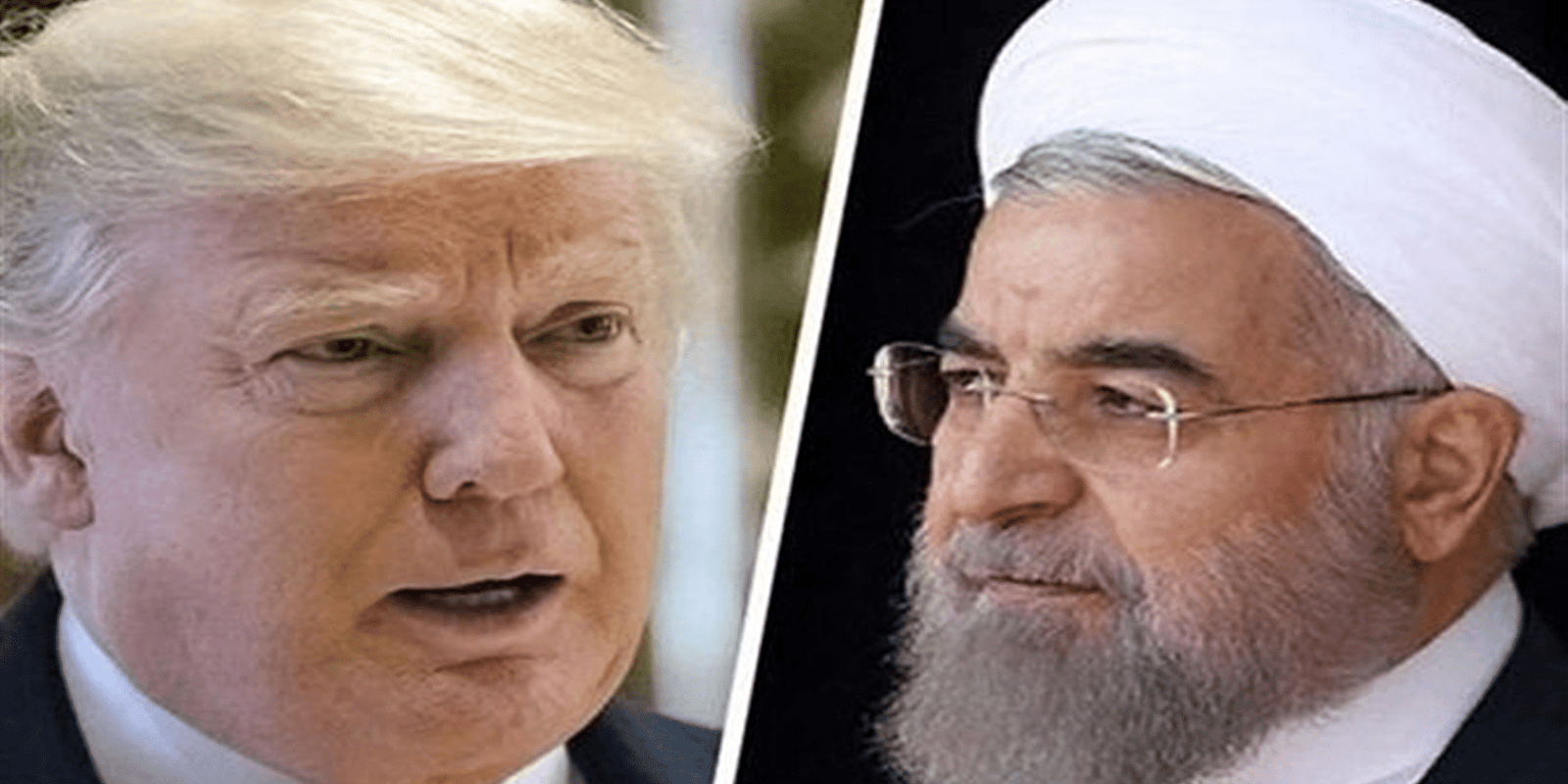
Key Points
- Washington and Tehran pursuing 45-day truce through international mediators
- Diplomatic sources indicate slim probability of breakthrough within two-day timeframe
- Proposal features initial ceasefire period leading to comprehensive negotiations
- Armed confrontations persist despite simultaneous peace initiatives
- Energy markets fluctuate as critical shipping lanes face potential disruption
International mediators are working to broker a 45-day cessation of hostilities between Washington and Tehran as regional instability intensifies. The initiative aims to establish a brief cooling-off period that would pave the way for comprehensive peace discussions. Diplomatic insiders warn that the coming two days will prove decisive, even as prospects for consensus appear limited while combat operations and negotiation efforts proceed simultaneously.
Mediation Efforts Intensify as Clock Runs Down
Active negotiations between American and Iranian representatives are underway regarding a six-week cessation proposal. Third-party facilitators from regional powers are spearheading the initiative to de-escalate the confrontation. The framework envisions an initial suspension of combat activities, creating space for sustained dialogue toward a comprehensive settlement. Those briefed on the exchanges characterized the endeavor as a final opportunity to avert broader conflict and infrastructure damage.
Nevertheless, informed sources caution that achieving consensus within the next two days appears improbable. An American diplomat revealed that multiple framework proposals have been transmitted to Tehran recently. Iranian leadership has yet to endorse any of the submitted options.
BREAKING: The US, Iran, and a group of regional mediators are discussing a potential 45-day ceasefire that could lead to a permanent end to the Iran War, per Axios.
Details include:
1. This is being described as a "last-ditch effort" to prevent "massive strikes on Iranian…
— The Kobeissi Letter (@KobeissiLetter) April 6, 2026
Negotiations proceed as a critical window narrows, with both nations holding steadfast to core positions. Combat activities have continued unabated throughout the diplomatic process. Intelligence assessments confirm that missile exchanges and countermeasures remain active, intensifying urgency for mediators to achieve even a limited pause.
Proposed Framework Features Sequential Approach to De-escalation
The diplomatic blueprint comprises two distinct stages aimed at addressing immediate dangers. Stage one emphasizes the 45-day cessation period. Throughout this interval, both nations would suspend significant combat operations. Stage two would transition into structured discussions for a lasting resolution. Central concerns encompass regional security architecture and strategic infrastructure.
These matters carry substantial complexity and sensitivity for all stakeholders. Authority over critical energy transit corridors features prominently in broader deliberations. The Strait of Hormuz continues to represent a focal point for international energy security. Any interference with passage through this waterway carries implications for petroleum movement and global pricing.
Diplomatic channels reveal that implementation sequencing constitutes a principal sticking point. Tehran demands assurances preventing renewed aggression following the ceasefire period. Washington prioritizes concrete de-escalation measures as preconditions.
Financial Sectors Monitor Developments as Ambiguity Persists
Global financial platforms have demonstrated immediate sensitivity to negotiation updates. American equity futures reversed earlier declines after initial reports suggested diplomatic advancement. Market observers interpret this movement as reflecting diminished near-term threat perception. Petroleum markets maintain particularly close observation of the situation. Crude valuations demonstrate continued responsiveness to developments affecting the Strait of Hormuz. Regional equilibrium correlates directly with consistent supply flows and price stabilization.
Notwithstanding market optimism, substantial ambiguity endures. Government representatives emphasize that no final accord has materialized. The absence of Iranian acceptance of proposals amplifies doubts regarding ultimate success. Target deadlines have shifted repeatedly throughout recent weeks. Each postponement has corresponded with renewed diplomatic initiatives.
International facilitators persist in discussions as temporal constraints mount. The upcoming 48-hour period carries exceptional significance for potential advancement. Both parties confront strategic choices that may determine the trajectory of hostilities. Circumstances remain volatile as negotiations and military engagement continue in parallel.
